Beneath the Surface:
Voices of an Industry

From Winter to Wonder: The Aruba Effect
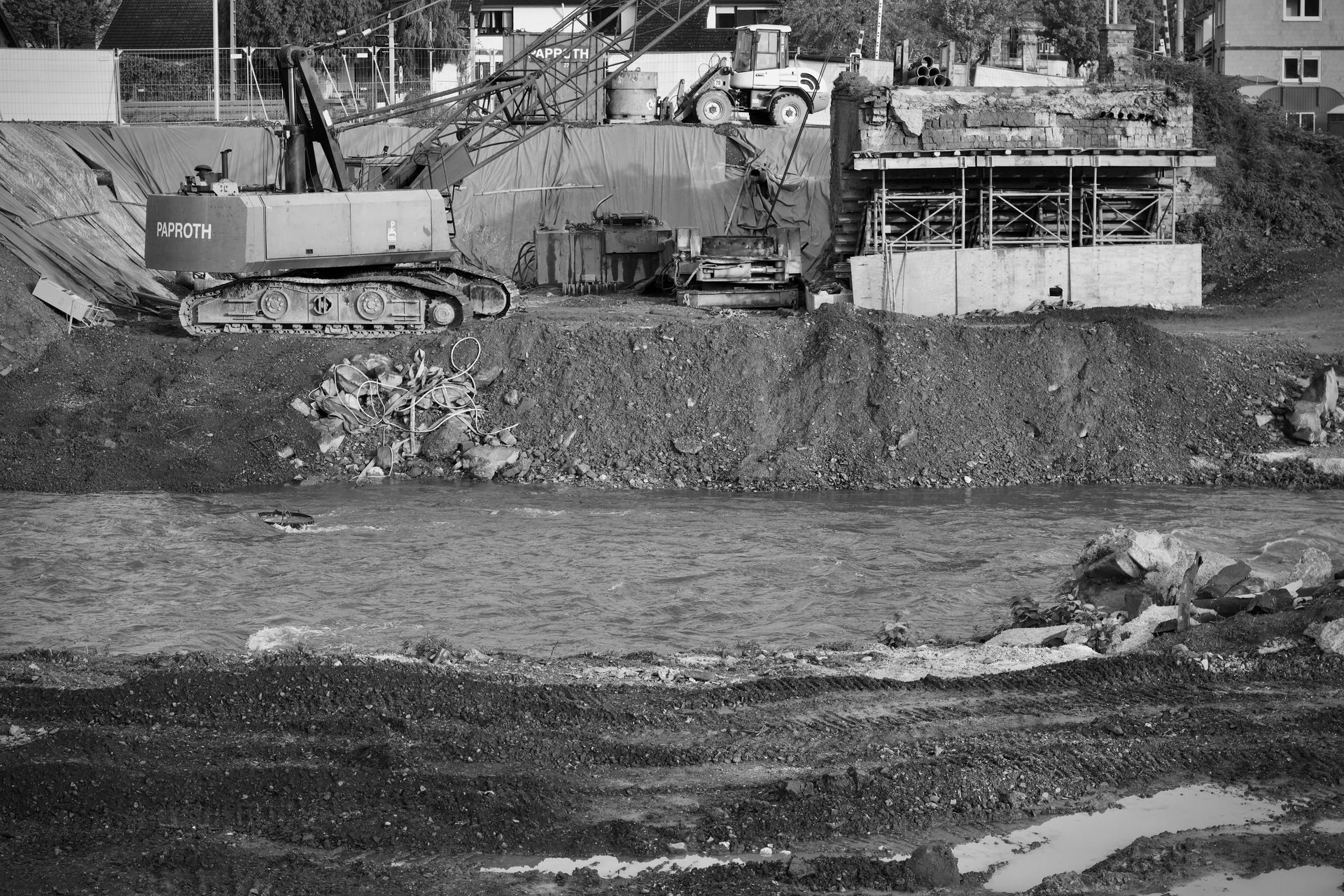
We’re excited to share a new, ready-to-use recruitment flyer designed specifically for WUCA members and their workforce development efforts. This piece highlights the powerful story behind underground and utility construction—careers that build and sustain thriving communities. Using clear data, strong visuals, and compelling messaging, the flyer showcases key advantages of our industry, including “earn while you learn” opportunities, competitive wages, long-term stability, and meaningful career growth. Just as importantly, it emphasizes what makes our work unique: building the essential infrastructure that delivers water, energy, and connectivity to Wisconsin communities every day. This tool was created with flexibility in mind and can be used at career fairs, school visits, job sites, and community events. It’s designed to resonate with students, career changers, and anyone looking for a stable, purposeful career path. We encourage all member contractors to take advantage of this resource—customize it with your company information, add a QR code or contact details, and put it to work in your recruiting efforts. Together, we can strengthen the pipeline of skilled professionals and continue building the future—below the surface. For access to the flyer and additional recruitment resources, visit wuca.org.
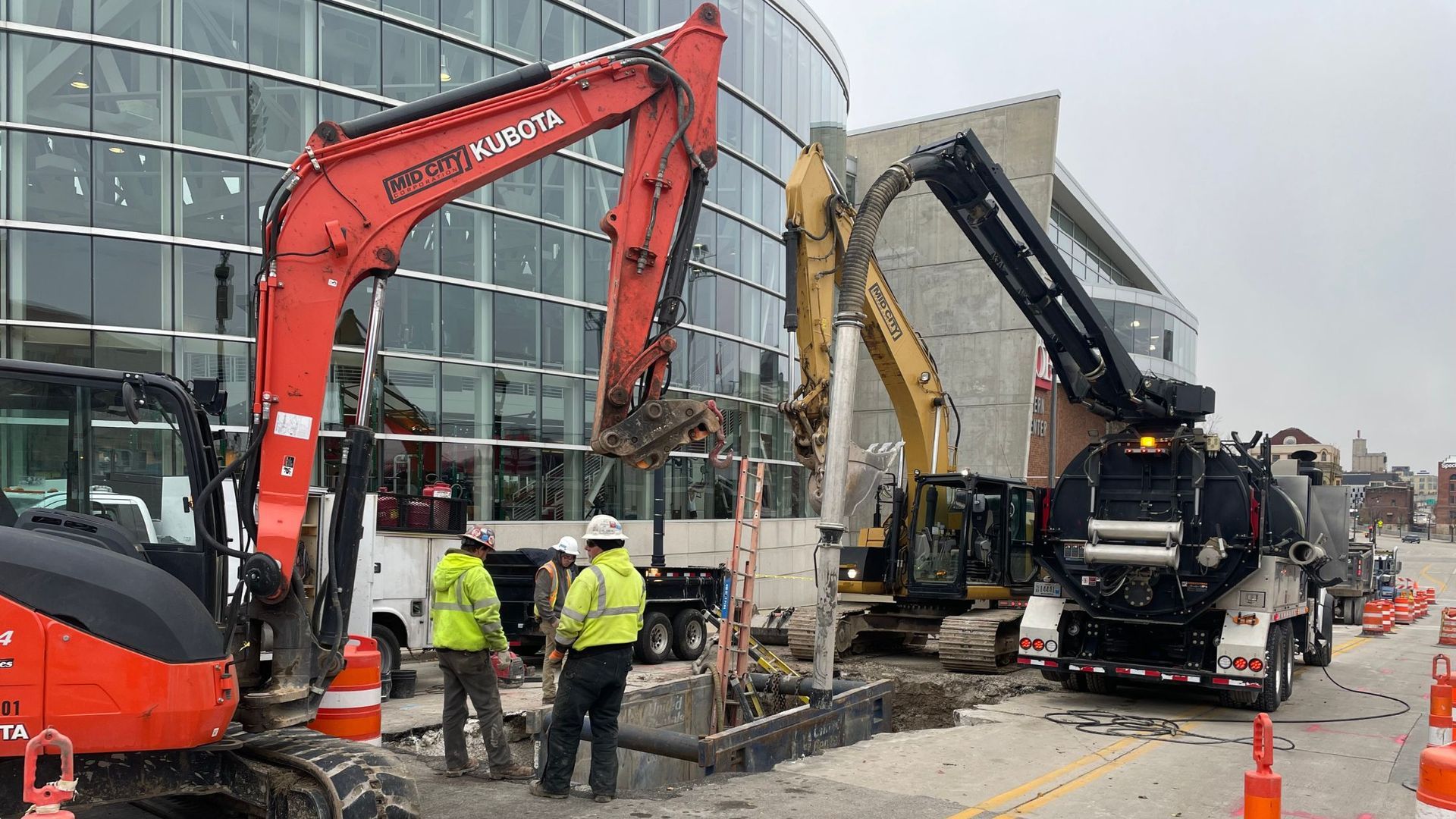
How to Protect Your Experience Mod in a Low‑Rate, Low‑Tolerance Environment For the past decade, employers—especially in construction and skilled trades—have benefited from steady workers’ compensation rate reductions. In Wisconsin alone, rates have declined for ten consecutive years across most class codes. While that has lowered premiums, it has also created a hidden challenge: experience modifications (mods) are now far more sensitive than they used to be. Today, even a small claim can push a mod over 1.00, impacting not just insurance costs, but eligibility for jobs, bidding competitiveness, and contractor pre‑qualification. Understanding how to handle a claim properly is no longer optional—it’s essential. Why Experience Mods Are Rising Despite Better Safety An experience mod compares your actual losses to expected losses for your industry. The formula itself hasn’t changed, but the inputs have. As Workers’ Comp rates fall, Expected Loss Rates (ELRs) fall along with them. That reduces the amount of loss your company can absorb before penalties kick in. According to multiple industry analyses, declining ELRs have significantly reduced loss “capacity,” meaning employers now have less margin for error when a claim occurs. In parallel, medical costs—particularly in Wisconsin—continue to rise, driven by limited fee scheduling and strong provider leverage. The Workers Compensation Research Institute (WCRI) repeatedly shows Wisconsin as one of the higher‑cost medical states in workers’ comp. The result? Fewer claims overall, but much higher impact per claim. Claim Handling Is Now a Mod Management Tool While preventing injuries is still the first priority, what happens after an injury now plays a significant role in controlling long‑term costs. 1. Report Claims Immediately—Every Time Delayed claim reporting consistently leads to worse medical outcomes and higher claim costs. Carrier data and independent studies confirm that early reporting gives adjusters the ability to manage care, challenge unnecessary treatment, and guide return‑to‑work decisions. In contrast, claims reported weeks later effectively lock in the treatment path—often at a much higher cost. ✅ Best practice: Report all injuries immediately, even if they appear minor. 2. Focus on Keeping Claims Medical‑Only Workers’ compensation systems are designed to encourage reporting by discounting medical‑only claims in experience rating calculations. In most cases, medical‑only claims receive a substantial reduction before they enter the mod formula. Paying claims out of pocket may seem appealing, but it usually results in: Higher medical pricing No PPO discounts No claim oversight Greater long‑term mod exposure ✅ Best practice: Submit medical claims properly and let the carrier manage them. 3. Return to Work by Day Four In Wisconsin, returning an injured employee to work by the fourth day (Saturday counts) is a critical threshold. Employees who cross this line often trigger indemnity payments, significantly increasing claim costs. Research from state agencies and employers alike shows that early return‑to‑work: Shortens claim duration Reduces disability costs Improves employee morale and outcomes ✅ Best practice: Have modified or light‑duty options documented before an injury occurs. 4. Steer Injured Workers to Occupational Medical Clinics While employees have the right to choose their provider in Wisconsin, employers may legally recommend care. Occupational health clinics consistently outperform emergency rooms and family doctors when it comes to workers’ comp outcomes. Why? Occupational clinics: Understand job demands and restrictions Communicate directly with adjusters Support fast, compliant return‑to‑work plans ✅ Best practice: Build relationships with occupational clinics and communicate those options clearly after an injury. Wisconsin’s Medical Cost Challenge Wisconsin’s lack of a comprehensive medical fee schedule has contributed to above‑average workers’ comp medical inflation, especially for surgeries and specialty care. Although recent legislation will introduce a hospital fee schedule by 2027, most common workplace injuries are treated in clinics—not hospitals—limiting near‑term relief. That makes claim direction and control even more important today than in the past. The Bottom Line Experience mods are becoming harder to control—not because workplaces are less safe, but because reduced rates have lowered tolerance for losses. In this environment, claim handling is no longer administrative—it’s strategic. Employers that: Report claims immediately Keep claims medical‑only Return employees to work quickly Partner with occupational medical providers will be far better positioned to protect their experience mod, control costs, and remain competitive. In today’s workers’ comp landscape, how you respond to an injury can matter just as much as preventing it.
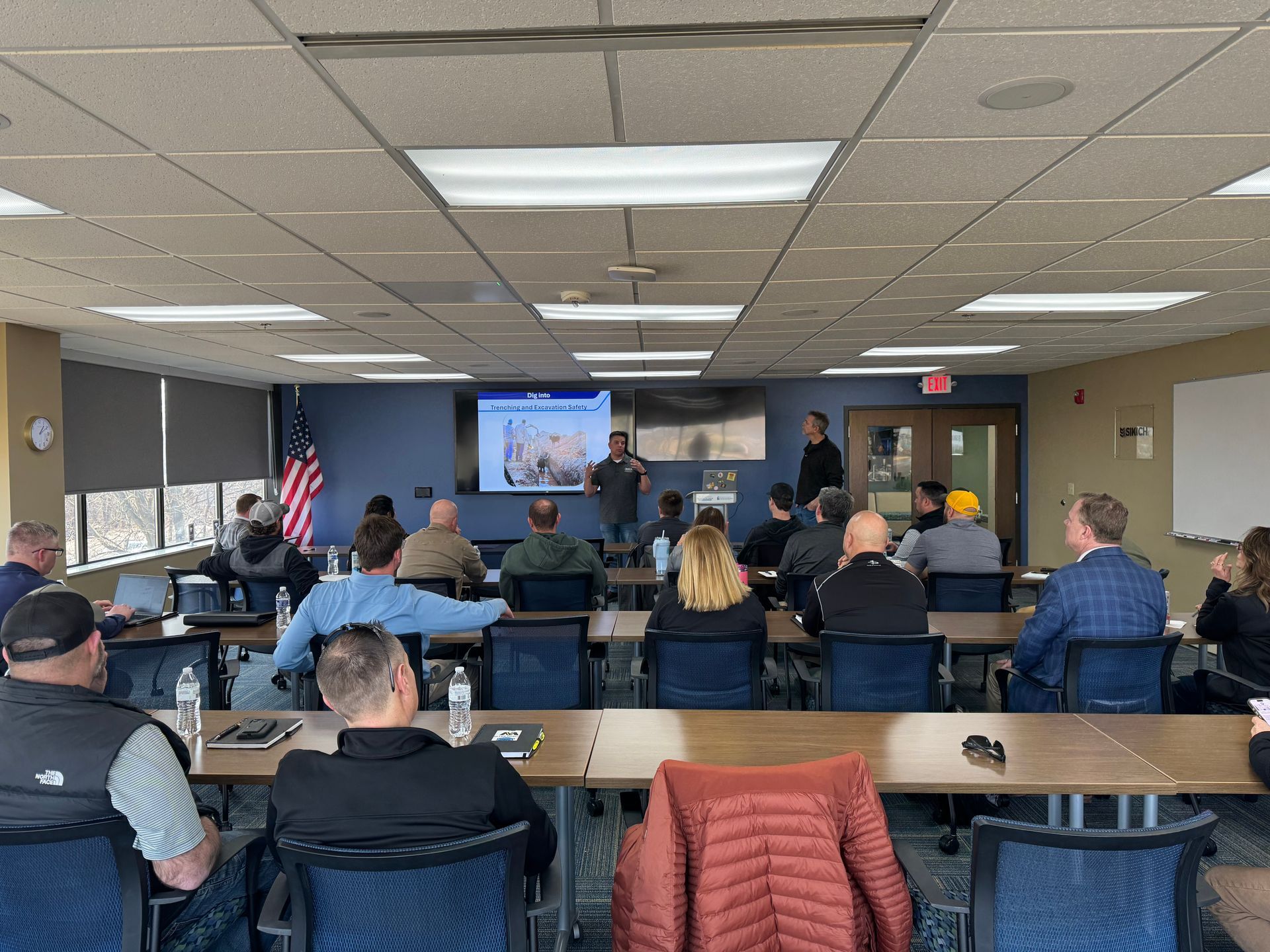
WUCA renews its alliance with OSHA and WisCon to advance safety training, outreach, and hazard prevention in Wisconsin’s underground construction industry.

Learn how Wisconsin’s WisCon program helps construction employers improve job site safety through confidential consultations, planning, and flexible support
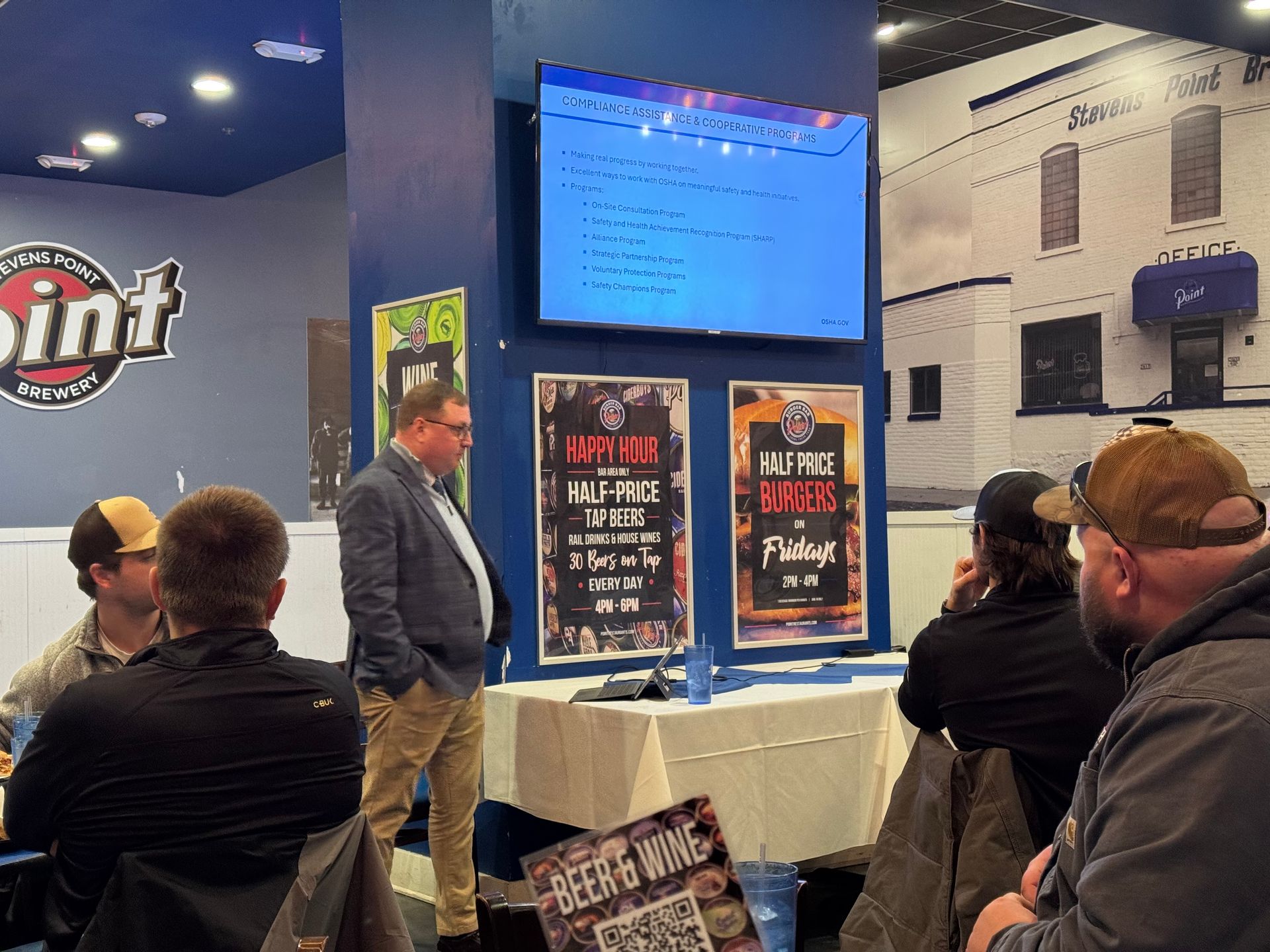
Key takeaways from OSHA’s Milwaukee Area Director on safety programs, inspections, penalties, and compliance resources for contractors.
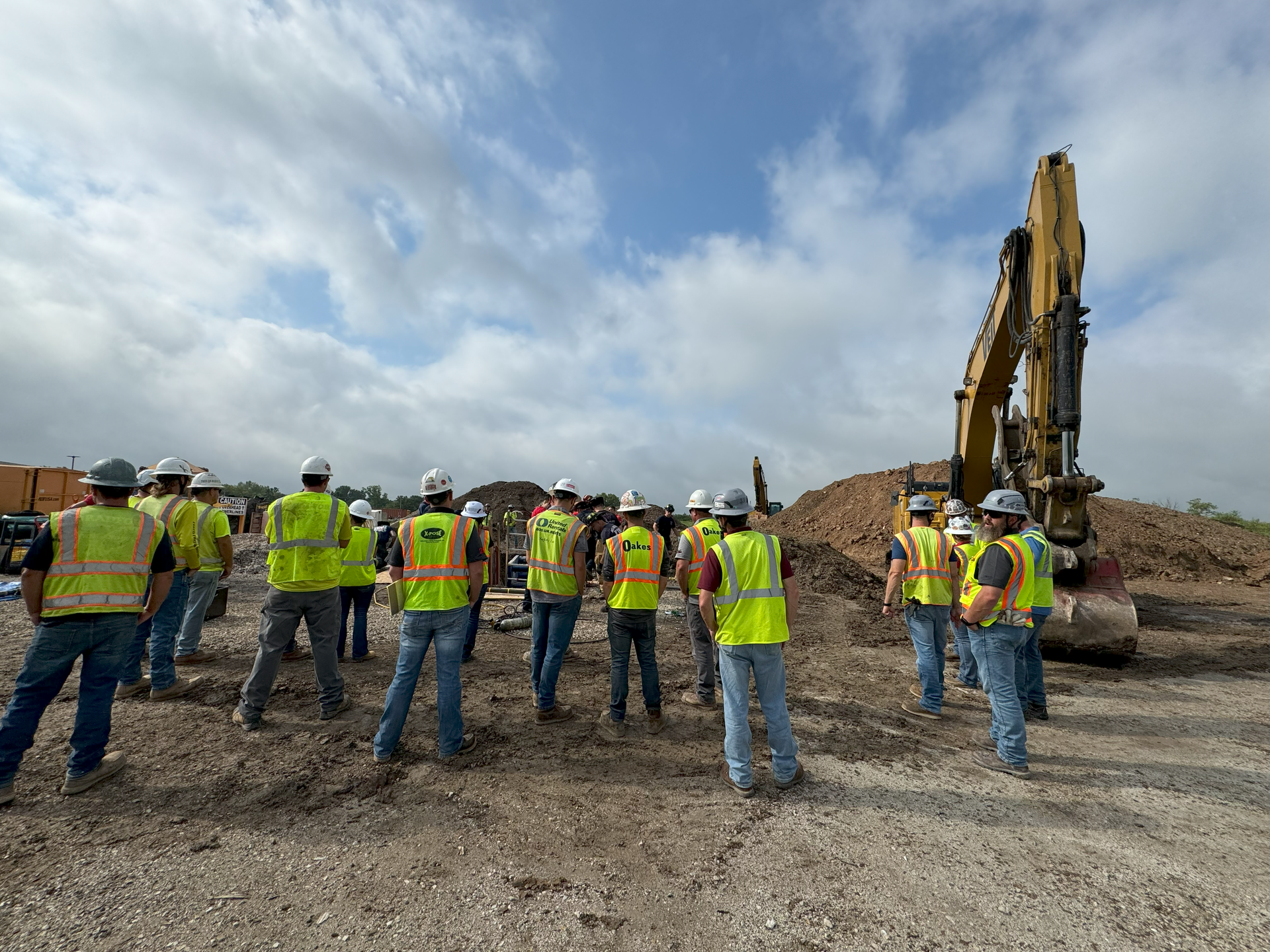
Every year, OSHA releases its list of the most frequently cited violations. The 2025 list is out, and while many industries should pay attention, underground and utility contractors face unique risks that line up with several of the top violations. Here’s a breakdown of the most relevant items, along with trenching and excavation hazards that continue to be a top focus for OSHA inspectors. Fall Protection – General Requirements (1926.501) Falls remain the #1 most cited violation. For underground contractors, the risks aren’t always rooftops—they include falls around trenches, vaults, manholes, ladders, and uneven ground. Proper guardrails, harnesses, and safe working surfaces are essential. Hazard Communication (1910.1200) Chemicals are everywhere on utility jobs: fuels, solvents, coatings, and even the contents of pipes. Employers must ensure proper labeling, Safety Data Sheets (SDS), and worker training to stay compliant. Ladders (1926.1053) Climbing in and out of holes or accessing elevated work is common. Using damaged ladders, setting them up improperly, or failing to secure them leads to frequent citations—and serious injuries. Lockout/Tagout (1910.147) Whether shutting down pumps, isolating electrical lines, or dealing with hydraulic energy, contractors must properly control hazardous energy before starting work. Failure to do so can be fatal. Respiratory Protection (1910.134) Dust, silica, exhaust, and even gas leaks underground make respiratory protection critical. Employers must provide proper respirators, medical clearance, and fit testing. Fall Protection – Training (1926.503) Having equipment isn’t enough—workers must know how to use it. Training ensures employees recognize hazards and properly use fall protection systems. Scaffolding (1926.451) Though more common in building work, scaffolding is sometimes used in utility projects. Improper erection or use can lead to collapse and falls. Eye and Face Protection (1926.102) Flying debris, sparks, fluids, and dust are part of daily life in underground work. OSHA continues to cite employers who don’t provide or enforce PPE use. Trenching & Excavation Hazards – Always a Priority Beyond the top 10 list, OSHA has placed special emphasis on trenching and excavation safety because fatalities remain high. Utility contractors should pay close attention to: Cave-ins: Protective systems (sloping, benching, shoring, shielding) are required. A “competent person” must inspect trenches daily. Spoil piles and equipment placement: Keep soil and heavy equipment at least 2 feet from trench edges. Safe access/egress: Trenches 4 feet deep or more must have ladders, ramps, or stairs within 25 feet of workers. Atmospheric hazards: Test for low oxygen or hazardous gases before entry. Provide ventilation or respiratory protection if needed. Training & competency: Workers and supervisors must be trained to recognize trench hazards. Struck-by hazards: Protect workers from falling tools, materials, and equipment near trench edges. Utility strikes: Always identify and mark underground utilities before digging to avoid catastrophic incidents. Takeaway for Contractors Staying on top of OSHA’s most cited violations isn’t just about compliance—it’s about keeping crews safe and projects on track. Underground and utility contractors should: Refresh fall protection and ladder training. Update hazard communication programs. Review lockout/tagout procedures. Conduct fit testing for respirators. Enforce PPE requirements. Double down on trenching and excavation safety. By focusing on these areas, contractors can reduce risk, protect workers, and stay ahead of OSHA citations. Click Here for the Full Article, Top 10 OSHA Violations of 2025
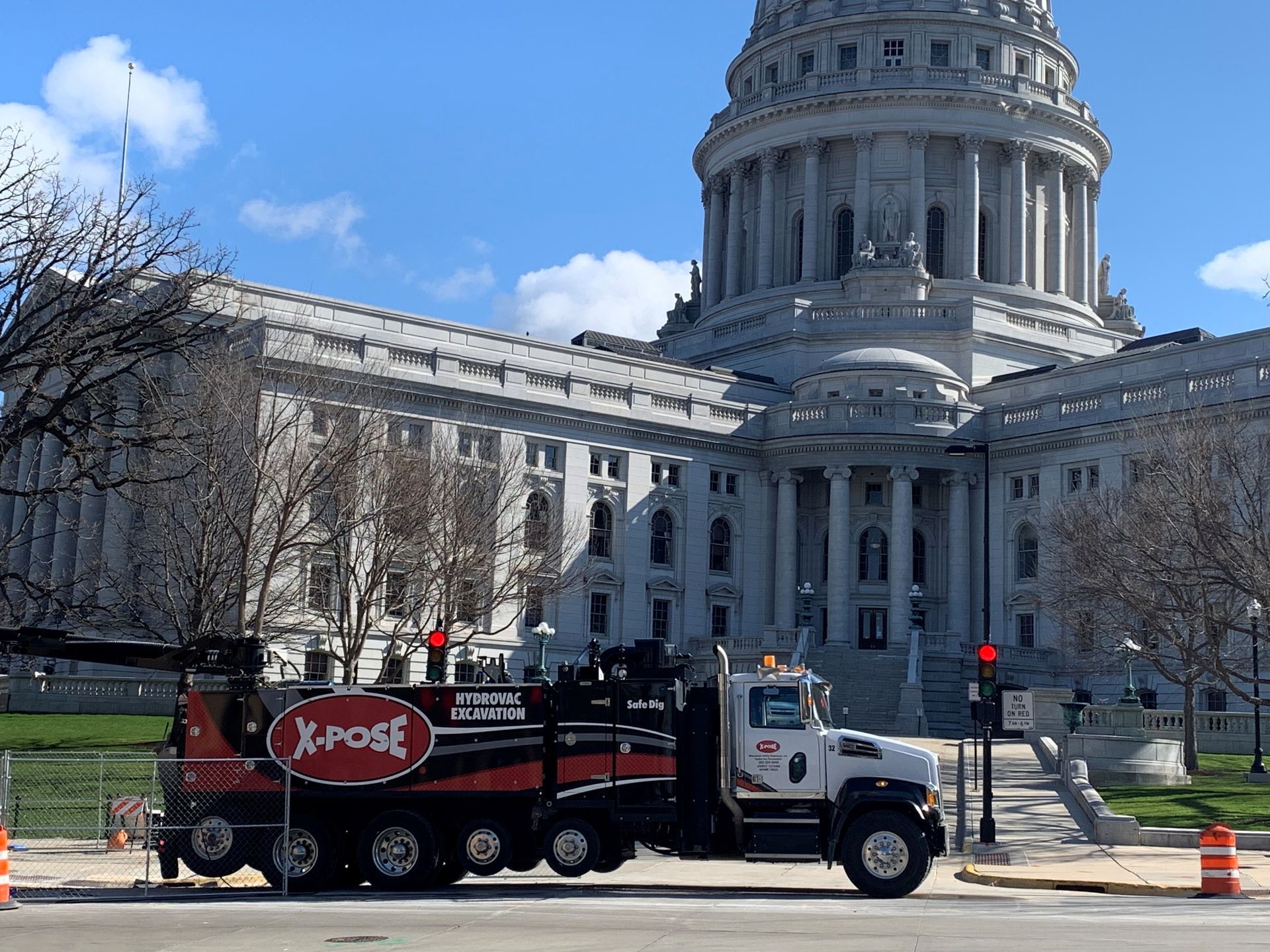
Madison, WI — June 23, 2025 — Wisconsin’s water infrastructure is at a critical crossroads with federal investment transforming outdated systems and protecting public health. However, the success of these initiatives depends on sustained funding from Washington, D.C. State and local leaders are urging Congress to make ongoing water infrastructure investment a national priority. Why Continued Federal Support is Crucial Aging Infrastructure Needs: Much of Wisconsin’s water infrastructure is nearing the end of its functional life. Without regular investment, lead service lines, failing wastewater systems, and outdated stormwater management pose significant risks to public health and safety. Emerging Challenges: Contaminants like PFAS, known as “forever chemicals,” threaten water safety in communities across the state. Continued funding ensures we can detect, remove, and prevent these hazards. Economic Impact: Federal funding supports thousands of jobs in construction, engineering, and manufacturing while providing cost savings to municipalities and ratepayers. A lapse in funding could halt these benefits. The Success of Federal Funding So Far Wisconsin has been a model of effective use of federal resources. Since the enactment of the Bipartisan Infrastructure Law (BIL): The state has received over $900 million for water infrastructure projects. $402 million has been allocated to address emerging contaminants like PFAS. Communities of all sizes have benefited from grants and below-market loans, with special attention given to underserved areas. This progress underscores the need for continued federal support to maintain momentum and address long-standing water issues. A Call to Action for Wisconsin Residents and Leaders “Water infrastructure is the backbone of our communities, safeguarding health and supporting economic growth. We must ask Congress to continue investing in these essential systems,” said Ruth Hackney, Executive Director of WUCA. Continued federal funding will empower Wisconsin to: Replace remaining lead service lines, protecting children and families. Modernize aging wastewater systems to prevent flooding and pollution. Combat PFAS contamination and other emerging threats to water safety. Why Your Voice Matters Wisconsin residents and leaders have the power to influence federal priorities. By contacting elected officials, we can ensure that water infrastructure remains at the forefront of the national agenda. How to Take Action: Contact Your Representatives: Share why clean water matters to your community and ask for ongoing water infrastructure funding in future budgets. Engage Locally: Advocate for projects that showcase the importance of federal funding in your city or town. Stay Informed: Follow updates from the Wisconsin Department of Natural Resources and community organizations championing water initiatives.

May 5, 2025
February 6, 2025