OSHA Update: What Underground Contractors Should Know
At a recent WUCA safety luncheon, Dustin Schnipke, Milwaukee Area Director for OSHA, shared updates on OSHA’s priorities, initiatives, and what they mean for our industry. More than 50 years after OSHA was established in 1970, workplace fatalities have declined from an estimated 38 per day to 15—but as Dustin emphasized, there is still work to do.
OSHA’s Current Focus
OSHA is placing renewed emphasis on working with small businesses, listening to stakeholders, and strengthening partnerships and collaboration. A key shift is the increased use of compliance assistance—helping employers identify and fix hazards before injuries occur.
Cooperative Programs (Highly Encouraged)
OSHA continues to promote voluntary programs that support safety improvement at every stage:
- On-Site Consultation (WISCON) – a confidential, no-cost service strongly recommended for contractors
- Safety & Health Achievement Recognition Program (SHARP)
- Alliance Program
- Strategic Partnership Program
- Voluntary Protection Program (VPP) – OSHA’s premier safety program (also removes participants from programmed inspections)
- Safety Champions Program (New) – a three-step introductory program supported by trained Special Government Employees
Learn more at: https://www.osha.gov/cooperative-programs
Campaigns & Emphasis Areas
OSHA’s Safe + Sound Week (August 11–17, 2025) is part of a year-round campaign promoting effective safety and health programs. Contractors should also be aware of OSHA’s emphasis programs, including:
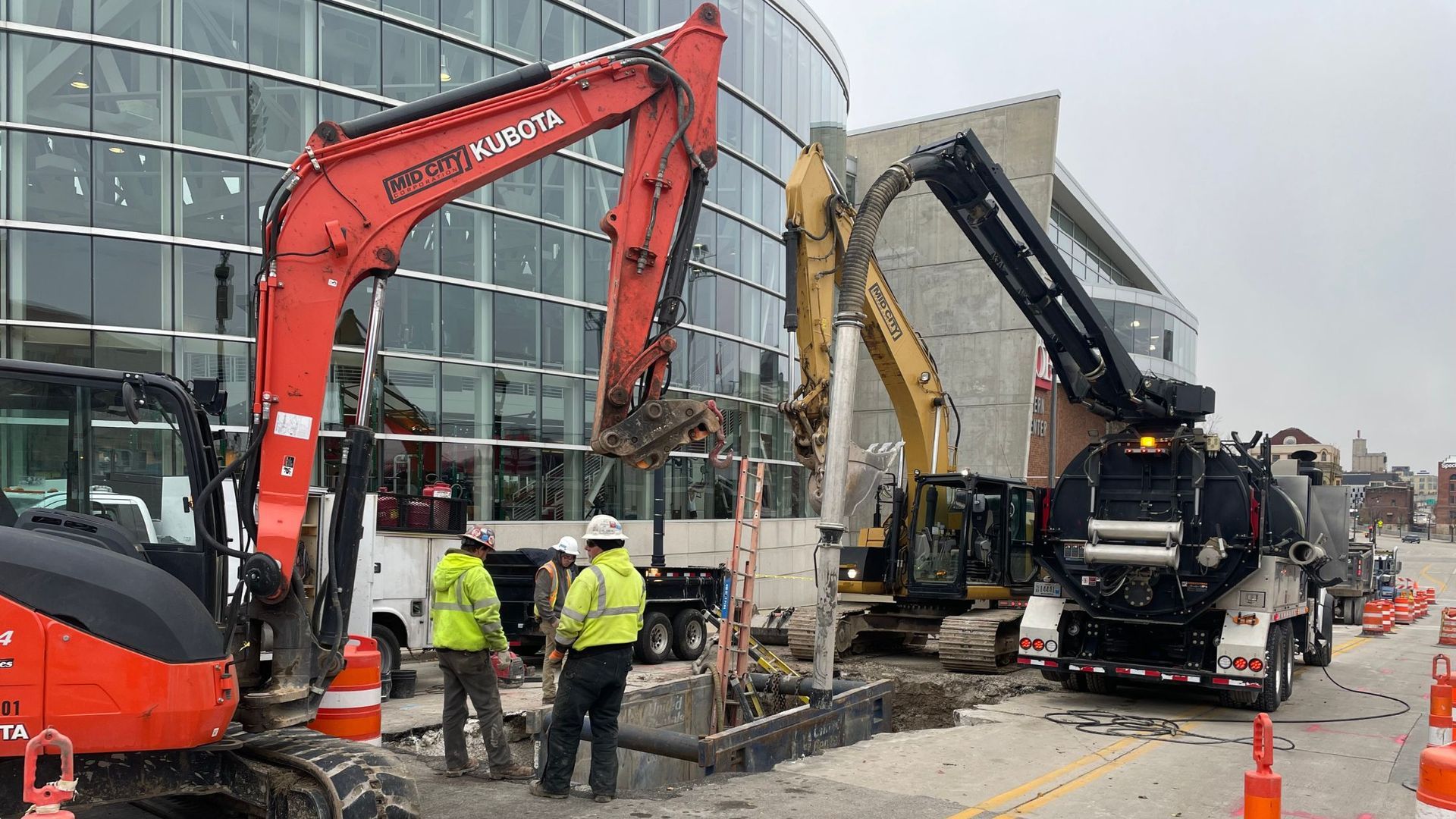
- Trenching and excavation
- Heat illness (heat index over 80°F can trigger an inquiry—water, rest, shade, acclimatization, and training are critical)
- Amputations
- Site-Specific Targeting (SST) and the construction-focused U-10 List
Heat rulemaking updates are available at: https://www.osha.gov/heat-exposure/rulemaking
Enforcement & Inspections
Approximately 40% of inspections are programmed (targeting high-hazard industries), while 60% are unprogrammed, triggered by complaints, referrals, fatalities, or serious incidents. OSHA takes public complaints seriously.
The inspection process includes credentials, an opening conference, a walkaround, and a closing conference.
Common Citations in Our Industry
- Ladder violations (3 feet above the landing)
- Lockout/Tagout
- Respiratory protection
- PPE deficiencies
Penalties, Reductions & “Quick Fix”
Penalties increase annually on January 15. New guidance allows up to a 20% reduction, especially for small businesses that promptly abate hazards. A new Quick Fix option applies when hazards are corrected within five days—ask inspectors about it.
Additional Resources
- Whistleblower protections: https://www.whistleblower.gov
- Enforcement limitations: https://www.osha.gov/enforcement/appropriations-act
- Letters of Interpretation: https://www.osha.gov/laws-regs/standardinterpretations
Finally, remember: employee training and written materials must be provided in a language workers can understand. Safety starts with communication—and partnership.